Learn About Hormonal Wellness at The IV Hub Wellness
Coffee fuels morning routines. Energy drinks power workouts and late nights. Tea, sodas, pre-workouts, and supplements often contain caffeine as part of daily life for millions of people.
But have you ever wondered:
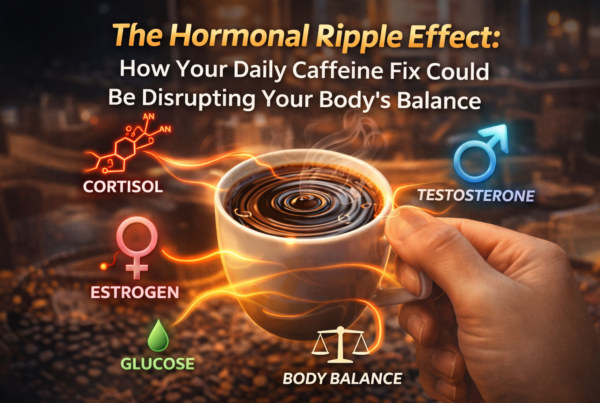
Can caffeine affect your hormones?
The answer is more complex than many people realize.
Hormones influence nearly every system in the body including energy levels, metabolism, mood, sleep, appetite, reproductive health, blood sugar regulation, and stress response.
Because caffeine interacts with the nervous system, adrenal signaling, sleep cycles, and metabolic pathways, it may influence hormonal balance in ways that vary from person to person.
At The IV Hub Wellness, serving Medford, Stoneham, Burlington, and Danvers, Massachusetts, we believe education plays an important role in helping patients make informed wellness decisions.
Let’s take a closer look at how caffeine may interact with hormones and overall wellness.
What Is Caffeine?
Caffeine is a naturally occurring stimulant found in:
- Coffee
- Tea
- Chocolate
- Energy drinks
- Soft drinks
- Pre-workout supplements
- Some medications
- Certain wellness products
It primarily works by affecting the central nervous system.
Many people consume caffeine to support:
- Alertness
- Mental focus
- Wakefulness
- Workout energy
- Productivity
- Mood enhancement
While moderate caffeine intake fits comfortably into many healthy lifestyles, its effects on hormonal pathways deserve attention.
How Does Caffeine Affect the Body?
Caffeine influences several biological systems.
After consumption, caffeine is absorbed into the bloodstream and travels to the brain where it affects neurotransmitter signaling.
One of its best-known actions involves blocking adenosine receptors.
Adenosine promotes feelings of tiredness and relaxation.
By interfering with adenosine activity, caffeine can temporarily increase:
- Alertness
- Wakefulness
- Mental stimulation
- Nervous system activation
This stimulation may also influence hormonal communication throughout the body.
Caffeine and Cortisol: The Stress Hormone Connection
One of the most discussed hormonal relationships involving caffeine centers around cortisol.
Cortisol is often called the “stress hormone.”
Produced by the adrenal glands, cortisol plays an important role in:
- Energy regulation
- Metabolism
- Blood sugar balance
- Immune function
- Stress adaptation
- Circadian rhythm
Healthy cortisol patterns help the body respond appropriately to daily demands.
Can Caffeine Increase Cortisol?
Research suggests caffeine consumption may stimulate cortisol release in some individuals.
Because caffeine activates the nervous system, it may temporarily increase physiological alertness and stress signaling.
Factors influencing this response may include:
- Amount consumed
- Timing of intake
- Individual sensitivity
- Sleep quality
- Existing stress levels
- Habitual caffeine use
Some individuals notice little impact, while others experience stronger stimulation responses.
Caffeine and Adrenal Wellness
Although the term “adrenal fatigue” remains debated within medicine, many wellness discussions focus on adrenal function, stress load, and nervous system resilience.
The adrenal glands produce several important hormones including:
- Cortisol
- Adrenaline
- Noradrenaline
- Aldosterone
Because caffeine stimulates sympathetic nervous system activity, some people become interested in how high caffeine intake may interact with stress regulation and energy patterns.
Individuals already experiencing:
- High stress
- Poor sleep
- Burnout symptoms
- Anxiety tendencies
- Chronic fatigue complaints
may benefit from examining overall caffeine habits as part of broader wellness discussions.
Caffeine, Sleep, and Hormonal Balance
Sleep is deeply connected to hormone regulation.
Unfortunately, caffeine’s stimulating effects may interfere with sleep quality in some people.
Poor sleep can influence multiple hormones including:
- Cortisol
- Melatonin
- Ghrelin
- Leptin
- Insulin
- Testosterone
- Growth hormone
Because of this connection, caffeine timing matters.
Late-day caffeine intake may contribute to:
- Difficulty falling asleep
- Reduced sleep quality
- Interrupted sleep cycles
- Shortened sleep duration
Over time, poor sleep patterns may affect broader hormonal wellness.
Caffeine and Insulin Sensitivity
Blood sugar regulation is another important area of hormonal discussion.
Insulin helps regulate glucose movement into cells for energy use.
Healthy insulin signaling plays a role in:
- Metabolic health
- Energy regulation
- Weight management
- Blood sugar balance
Researchers continue studying how caffeine may interact with insulin sensitivity and glucose metabolism.
Individual responses vary considerably depending on:
- Overall health
- Diet
- Activity level
- Genetics
- Existing metabolic function
- Total caffeine intake
Because metabolism is highly individualized, personalized wellness evaluation can be valuable.
Can Caffeine Affect Appetite Hormones?
Many people notice caffeine’s relationship with appetite.
Some individuals report feeling less hungry after coffee or caffeine-containing beverages.
Hormones connected to hunger and fullness include:
Ghrelin
Often called the “hunger hormone.”
Ghrelin helps signal appetite and food intake needs.
Leptin
Leptin helps communicate fullness and satiety.
Researchers continue exploring how caffeine and dietary patterns may interact with appetite regulation pathways.
Understanding these relationships can be helpful for individuals interested in wellness and weight management strategies.
Caffeine and Female Hormones
Women frequently ask whether caffeine affects hormones such as:
- Estrogen
- Progesterone
- Reproductive hormone balance
- Menstrual wellness
Hormonal experiences are highly individualized.
Potential variables include:
- Menstrual cycle phase
- Hormonal fluctuations
- Stress levels
- Sleep quality
- Genetics
- Metabolism
Some individuals become more sensitive to caffeine during specific hormonal phases.
Others notice changes involving:
- Sleep quality
- energy levels
- mood
- nervous system sensitivity
Hormonal health conversations often benefit from personalized assessment rather than generalized assumptions.
Caffeine and Testosterone
Caffeine’s relationship to testosterone and male hormone health remains an area of ongoing discussion and research.
Hormonal wellness involves numerous interconnected variables including:
- Sleep
- Nutrition
- Exercise
- Stress management
- Body composition
- Metabolic health
Because caffeine can influence nervous system activity, workout performance, and sleep quality, interest exists regarding how consumption patterns may intersect with broader hormone wellness goals.
How Much Caffeine Is Too Much?
Tolerance varies dramatically.
One person may comfortably consume several cups of coffee daily.
Another may experience:
- Jitters
- Anxiety
- Sleep disruption
- Rapid heartbeat
- Nervousness
- Digestive upset
Potential signs of excessive caffeine intake can include:
- Increased anxiety
- Restlessness
- Poor sleep
- Irritability
- Energy crashes
- Elevated nervous system stimulation
Listening to your body matters.
Supporting Hormonal Wellness Beyond Caffeine
Hormonal balance involves much more than coffee intake alone.
Comprehensive wellness strategies often focus on:
Nutrition
Balanced nutrition supports hormone production and metabolic health.
Sleep Quality
Consistent restorative sleep remains one of the most important foundations of hormonal wellness.
Stress Management
Chronic stress may influence multiple hormone pathways.
Movement & Exercise
Physical activity supports metabolic health, resilience, and overall wellness.
Hydration & Nutrient Support
Hydration and nutrient status may contribute to energy production and physiological balance.
Personalized Wellness Matters
Hormonal health is not one-size-fits-all.
Two people can consume identical caffeine amounts and experience completely different responses.
Variables may include:
- Genetics
- Hormone status
- Medication use
- Nutritional status
- Sleep habits
- Stress exposure
- Metabolic health
Understanding your personal physiology can help guide informed wellness decisions.
Wellness Support at The IV Hub Wellness
At The IV Hub Wellness, we support individuals seeking proactive health optimization, wellness education, and personalized care approaches.
We proudly serve patients across Massachusetts through our convenient locations:
The IV Hub Medford
469 Salem St Suite 23
Medford, MA 02155
781-799-2827
The IV Hub Stoneham
117 Main Street Suite 27
Stoneham, MA 02180
978-799-7122
IV Hub Burlington
My Salon Suite 115
154 Cambridge St
Burlington, MA 01803
781-812-7550
IV Hub Danvers
301 Newbury St #39
Danvers, MA 01923
978-308-9845
Visit: https://theivhubwellness.com
Frequently Asked Questions About Caffeine and Hormones
Does caffeine affect hormones?
Caffeine may interact with several hormonal systems including cortisol, insulin signaling, appetite regulation, sleep-related hormones, and metabolic pathways.
Can caffeine increase cortisol?
Some research suggests caffeine may temporarily influence cortisol release depending on intake amount, timing, stress levels, and individual sensitivity.
Does caffeine impact sleep hormones?
Yes. Caffeine can affect sleep quality, which may influence melatonin, cortisol rhythms, appetite hormones, and overall hormonal balance.
Can caffeine affect weight management?
Because caffeine interacts with appetite, metabolism, sleep, and energy pathways, it is often discussed in broader weight management and wellness conversations.
Is caffeine bad for hormones?
Responses vary significantly. Moderate intake works well for many individuals, while others may experience sensitivity or sleep-related challenges.
Where can I learn more about wellness and hormone support near Medford, Stoneham, Burlington, or Danvers?
The IV Hub Wellness proudly serves patients throughout Massachusetts with personalized wellness-focused support.
Learn More About Wellness at The IV Hub
If you are interested in optimizing wellness, supporting energy, exploring hormone-related health topics, or learning more about proactive care approaches, The IV Hub Wellness is here to help.
Serving Medford, Stoneham, Burlington, and Danvers, our team helps patients pursue informed wellness strategies designed around individual goals and lifestyles.
Visit https://theivhubwellness.com to learn more or contact your nearest location today.