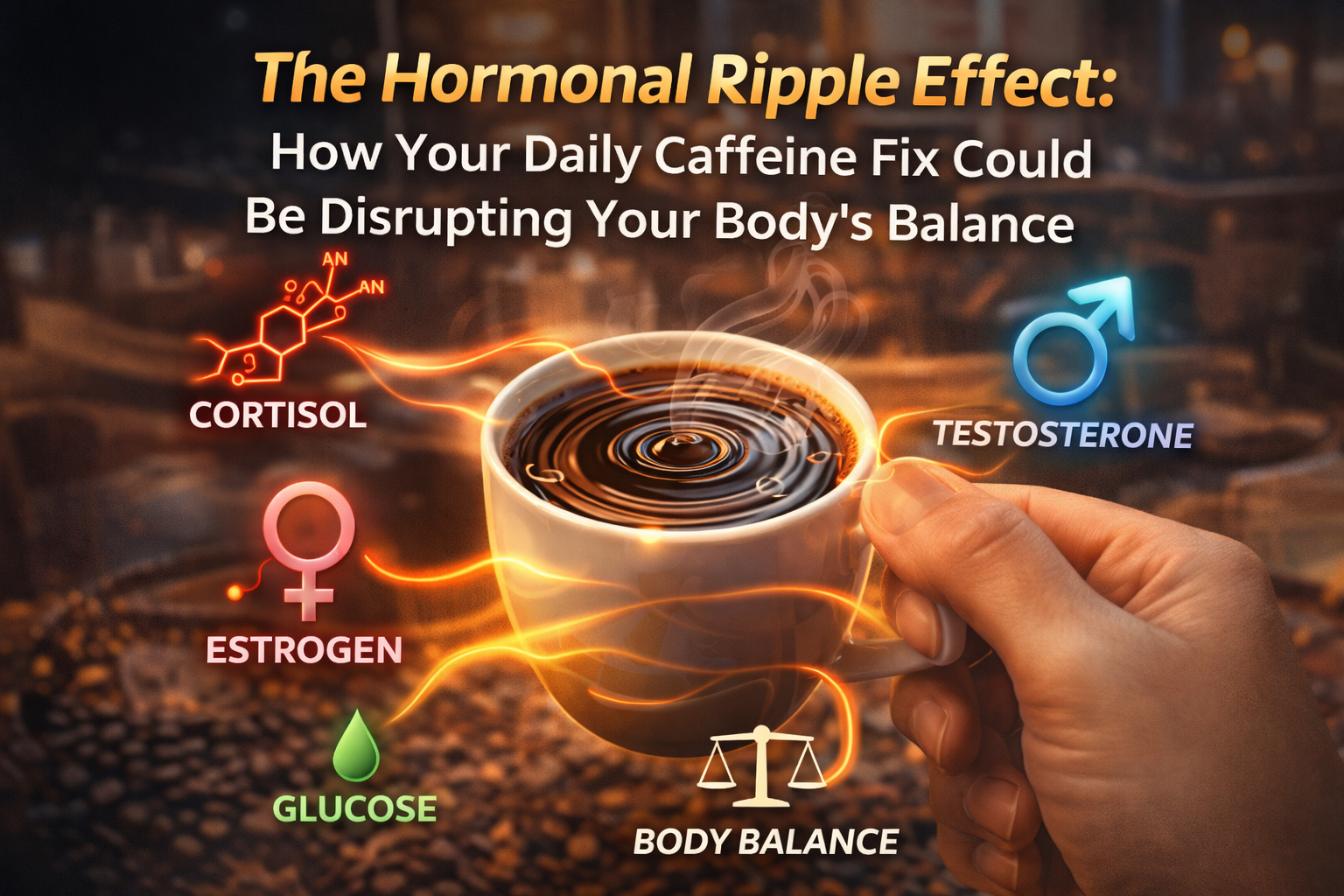
We all know the feeling. That mid-morning slump hits, your focus wanes, and the siren call of the coffee maker or an energy drink becomes irresistible. For millions of us, caffeine is the legal, socially acceptable performance-enhancing drug that kickstarts our day and keeps us going. But have you ever stopped to consider what that daily ritual is actually doing inside your body, particularly to the delicate symphony of your hormones?
Here at The IV Hub Wellness, with convenient locations in Medford, Stoneham, Burlington, and Danvers, we specialize in helping you achieve optimal health through personalized, science-backed treatments. We often work with clients who are experiencing fatigue, mood swings, low libido, and weight loss resistance—symptoms that can often be traced back to hormonal imbalances. And sometimes, the culprit is hiding in plain sight in their morning mug.
While caffeine isn’t inherently “bad,” its powerful interaction with your endocrine system can create a ripple effect that impacts everything from your stress levels and sleep to your reproductive health and metabolism. Let’s dive deep into the complex relationship between caffeine and your hormones.
The Immediate Reaction: The Stress Hormone Cascade
To understand caffeine’s impact, we have to start with the body’s immediate reaction to it. Caffeine is a central nervous system stimulant. Its primary mechanism is to block adenosine, a neurotransmitter that promotes relaxation and sleep. By putting the brakes on adenosine, caffeine effectively hits the gas on your nervous system.
This triggers your body’s “fight or flight” response, also known as the sympathetic nervous system. In response, your adrenal glands—small organs sitting on top of your kidneys—release a surge of hormones, most notably adrenaline (epinephrine) and cortisol.
-
Adrenaline is the reason your heart beats faster, your pupils dilate, and your energy feels instantly boosted. It’s the classic “rush.”
-
Cortisol, often labeled the primary stress hormone, is released to provide a quick source of energy by increasing glucose (sugar) in your bloodstream.
In a perfect world, this stress response is reserved for true emergencies—like outrunning a threat. In our modern world, a daily triple-shot latte can trigger this same physiological cascade. While a single cup of coffee might cause a temporary, manageable spike, chronic, high-dose caffeine consumption can lead to a state of constant, low-grade stress on your adrenal system.
The Cortisol Connection: More Than Just Stress
Cortisol is far more than just a stress hormone. It follows a natural daily rhythm called the circadian rhythm. Cortisol levels are meant to be highest in the morning to help you wake up and feel alert, gradually tapering off throughout the day to allow you to wind down for sleep.
When you consume caffeine, especially later in the day or on an empty stomach first thing in the morning, you can artificially inflate this cortisol curve.
-
Morning Disruption: Drinking coffee immediately upon waking can blunt your body’s natural cortisol awakening response. Over time, your body may become dependent on caffeine to produce this morning peak, making it harder to feel alert without it.
-
Afternoon/Evening Disruption: Consuming caffeine in the afternoon can keep cortisol levels artificially elevated well into the evening. This not only makes it difficult to fall asleep but also disrupts the quality of your sleep. And poor sleep, in turn, leads to higher cortisol and more cravings for caffeine the next day. It becomes a vicious cycle.
Chronically high cortisol levels are linked to a host of health issues, including:
-
Weight Gain: High cortisol encourages the storage of visceral fat (deep belly fat).
-
Anxiety and Irritability: It can amplify feelings of stress and anxiety.
-
Digestive Issues: It diverts energy away from digestion.
-
Immune Suppression: It can weaken your immune system over time.
If you’re struggling with stubborn weight or persistent fatigue, our Medically Supervised Weight Loss programs and Micronutrients Testing at any of our IV Hub locations can help uncover the root causes, which may be linked to this hormonal disruption.
The Delicate Dance with Sex Hormones: Estrogen, Progesterone, and Testosterone
The relationship between caffeine and sex hormones is complex and can differ between men and women.
For Women:
Caffeine can have a significant impact on estrogen levels, and this effect can vary based on a woman’s ethnic background and how her body metabolizes caffeine. Some studies have shown that consuming 200 milligrams or more of caffeine daily (about two cups of coffee) can alter estrogen levels.
-
Estrogen Fluctuations: For some women, high caffeine intake is associated with higher estrogen levels, while for others, it’s linked to lower levels. These fluctuations can exacerbate premenstrual syndrome (PMS) symptoms, contribute to conditions like fibroids or endometriosis, and even affect the regularity of menstrual cycles.
-
Premenstrual Syndrome (PMS): Because caffeine can amplify anxiety, insomnia, and breast tenderness—all common PMS symptoms—it can make the luteal phase (the week or two before a period) much more challenging.
-
Menopause: For women going through perimenopause and menopause, where hormonal fluctuations are already intense, caffeine can be a trigger for hot flashes and night sweats. It can also worsen the sleep disturbances that are already common during this transition.
If you’re experiencing these symptoms, our Bio-Identical Hormone Therapy (BHRT) at The IV Hub offers a personalized approach to help restore hormonal balance. By using plant-derived hormones identical to those your body produces, we can help alleviate symptoms like mood swings, hot flashes, and low libido. Understanding your caffeine intake is a key part of a holistic approach to hormone health.
For Men:
The primary sex hormone in men, testosterone, can also be influenced by caffeine, though the research is less conclusive regarding direct suppression. The more significant impact may be indirect, through cortisol.
As mentioned earlier, high stress and elevated cortisol levels are known to be antagonistic to testosterone. Cortisol and testosterone are produced from the same precursor hormone, pregnenolone. When your body is in a chronic “fight or flight” mode, it prioritizes producing cortisol over sex hormones like testosterone. Therefore, chronic high-dose caffeine intake that leads to persistently high cortisol can, over time, contribute to lower testosterone levels.
Low testosterone in men can manifest as:
-
Persistent fatigue and low energy
-
Decreased libido and erectile dysfunction
-
Loss of muscle mass and increased body fat
-
Moodiness and depression
At The IV Hub Wellness, our Testosterone Replacement Therapy (TRT) is designed to restore vitality and well-being. We create personalized treatment plans to help men reclaim their energy, mood, and physical health. A comprehensive approach includes looking at lifestyle factors, including caffeine consumption, to ensure the best possible outcomes from TRT.
Metabolic Hormones: Insulin and Blood Sugar Control
Caffeine doesn’t just stop at stress and sex hormones; it also interacts with hormones that regulate your metabolism, particularly insulin.
Studies have shown that caffeine can temporarily lower insulin sensitivity. This means that after consuming caffeine, your cells may not respond as effectively to insulin, the hormone responsible for shuttling glucose (sugar) out of your bloodstream and into your cells for energy. As a result, your blood sugar levels can rise slightly higher after a meal if you’ve consumed caffeine beforehand.
For most healthy individuals, this is a minor, temporary effect. However, for those who are pre-diabetic, diabetic, or struggling with insulin resistance (a key driver of weight gain and metabolic syndrome), this can be a significant factor. The blood sugar rollercoaster—spiking and then crashing—can also lead to:
-
Increased cravings for sugar and simple carbohydrates.
-
Energy crashes a few hours after eating.
-
Increased fat storage, particularly around the abdomen.
This is why at The IV Hub, we often recommend a holistic approach to weight loss. Our Skinny DripIV therapy is formulated to provide essential nutrients that can support metabolism and energy levels without the negative side effects of excessive caffeine. It’s one of the many ways we help our clients in Medford, Stoneham, Burlington, and Danvers achieve their wellness goals.
Caffeine and Sleep Hormones: The Melatonin Thief
Perhaps the most well-known hormonal interaction is with melatonin, the “sleep hormone.” Melatonin is produced by the pineal gland in response to darkness, signaling to your body that it’s time to prepare for sleep.
Caffeine has a half-life of about 5 to 6 hours, meaning that’s how long it takes for your body to eliminate half of it. If you have a coffee at 4 PM, you could still have a significant amount of caffeine in your system at 10 PM. This circulating caffeine continues to block adenosine receptors, making it harder to feel sleepy. It can also directly suppress the production of melatonin.
The result? It takes longer to fall asleep, you spend less time in deep, restorative sleep, and you may wake up feeling unrefreshed. Since deep sleep is when your body does most of its repair, growth hormone release, and memory consolidation, the ripple effects of poor sleep touch every other hormone system in your body.
If you’re struggling with sleep, in addition to monitoring caffeine intake, our NAD+ Therapy(Nicotinamide adenine dinucleotide) can be a powerful tool. NAD+ is a coenzyme essential for cellular repair and brain function, and boosting it can help regulate your circadian rhythms and improve sleep quality.
A Balanced Approach: Caffeine and The IV Hub Philosophy
So, does this mean you have to give up your beloved coffee or tea? Not necessarily. The goal is awareness and balance, not elimination. At The IV Hub Wellness, we believe in empowering you with knowledge to make informed choices that support your unique body.
Here are some tips for a healthier relationship with caffeine:
-
Time It Right: Avoid caffeine for at least 60-90 minutes after waking to allow your natural cortisol rhythm to do its job. Also, establish a caffeine curfew—aim to stop all caffeine intake by 12 PM or 2 PM at the latest.
-
Mind Your Dose: Moderation is key. For most people, 200-300 mg (about 1-2 cups of coffee) is a reasonable daily limit. Pay attention to how you feel.
-
Hydrate, Hydrate, Hydrate: Caffeine is a diuretic. For every caffeinated beverage you consume, make sure you’re drinking plenty of water to stay hydrated. Proper hydration is crucial for all hormonal functions. You can even book an IV Hydration Therapy session at our Medford, Stoneham, Burlington, or Danvers location to give your body a direct infusion of fluids and essential vitamins.
-
Listen to Your Body: Do you feel jittery, anxious, or does your heart race after that second cup? Do you sleep poorly after afternoon coffee? Your body is giving you feedback. Listen to it.
-
Consider a Functional Medicine Approach: If you suspect caffeine is impacting your health, don’t guess—test. Our Micronutrients Testing can reveal underlying deficiencies that might be making you more reliant on caffeine for energy.
At The IV Hub Wellness, we’re more than just a place for a quick IV drip. We’re a partner in your journey toward optimal wellness. Whether you’re visiting us at 469 Salem St Suite 23 in Medford, 117 Main Street Suite 27 in Stoneham, My Salon Suite 115, 154 Cambridge St in Burlington, or 301 Newbury St #39 in Danvers, our team is dedicated to helping you feel your best.
We offer comprehensive services—from Bio-Identical Hormone Therapy and Testosterone Replacement to medical weight loss and cutting-edge treatments like PRP for hair loss and Neosculpting—all designed to help your body function in harmony. Understanding how everyday substances like caffeine interact with your unique physiology is just one piece of the puzzle.
If you’re ready to dive deeper into your health, discover your optimal nutrient levels, or balance your hormones for a more vibrant life, we invite you to visit our website at https://theivhubwellness.com or call one of our locations today. Your journey to hormonal harmony starts here.